"Exploring LAL: The Future of Eye Care in Orange County"


Cataracts affect huge numbers of people worldwide, and they are the leading reason behind blindness. Cataracts cause a range of visual problems and reduce steadily the patient's ability to carry out daily tasks. Luckily, cataract surgery can eliminate the cloudy lens and restore sight, allowing people to see more clearly. Cataract surgery is just a straightforward procedure, but it's still important to comprehend its fundamentals. In this blog, we shall cover everything required to know about Light Adjustable Lens (LAL).
What is a Cataract?
A cataract is just a clouding of the eye's natural lens that affects vision. Cataracts develop as time passes and may cause a variety of symptoms, including blurred vision, sensitivity to light, and seeing halos around lights. When symptoms become severe, an easy cataract surgery procedure can restore vision.
Cataract surgery involves removing the cloudy lens and replacing it with an artificial intraocular lens (IOL) that mimics the big event of the natural lens. Before the surgery, the ophthalmologist will determine the sort of IOL best suited to the individual predicated on factors such as for instance age, daily tasks, and eye anatomy.
The Procedure:
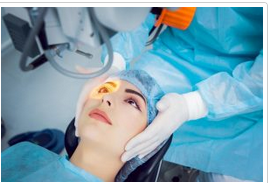
Cataract surgery is an outpatient procedure that requires no hospitalization. You is going to be awake through the surgery but will be given local anesthesia to numb the eye and prevent discomfort. The surgeon could make a tiny incision in the cornea and make use of a device to break up the cloudy lens. The separated items of the lens will soon be removed via suction and replaced having an artificial intraocular lens.
After the Procedure:
After the procedure, you will be taken to a recovery area where in fact the staff will monitor you. You'll get eye drops to prevent infection, reduce inflammation, and promote healing. You is going to be sent home the exact same day, but a nurse or family member should drive you home. The surgeon will provide you with a follow-up appointment to confirm your healing progress.
Typically, patients can resume their daily activities within a couple of days after surgery. It is important in order to avoid strenuous activity, swimming, and touching the eye before incision has fully healed. A lot of people experience significantly improved vision within the first few weeks after surgery.
Possible Complications:
Like any surgery, you will find risks connected with cataract surgery. Complications include infection, bleeding, swelling, and inflammation. People who have pre-existing eye conditions and other medical conditions like diabetes might be at an increased risk of developing complications. It is important to talk about your medical history and any concerns together with your surgeon ahead of the surgery.
Conclusion:
Cataract surgery is a safe and effective procedure that can restore vision and improve quality of life. It is really a straightforward outpatient procedure that needs no hospitalization, and most patients can resume their daily activities within a couple of days following surgery. Understanding the basics of cataract surgery can help you prepare for surgery and recovery. It is vital to talk about any concerns or medical conditions with your surgeon ahead of the surgery and follow all postoperative instructions to assist in a prompt and successful recovery.